Health Blog
Fall Prevention: How Physical Therapy Can Help Maintain Stability

Staying steady on your feet can help you remain active and independent. Fall prevention focuses on finding risks early and building the skills your body needs for safe movement. Small changes in strength, balance, or walking can matter more than you may realize.
Identifying Common Physical Risk Factors
Falls rarely have just one cause. Several small changes may work together to make everyday movement less steady.
Common physical risk factors include:
- Weakness in the hips and legs can make standing, walking, and climbing stairs harder.
The Right Time to Start Physical Therapy After Surgery
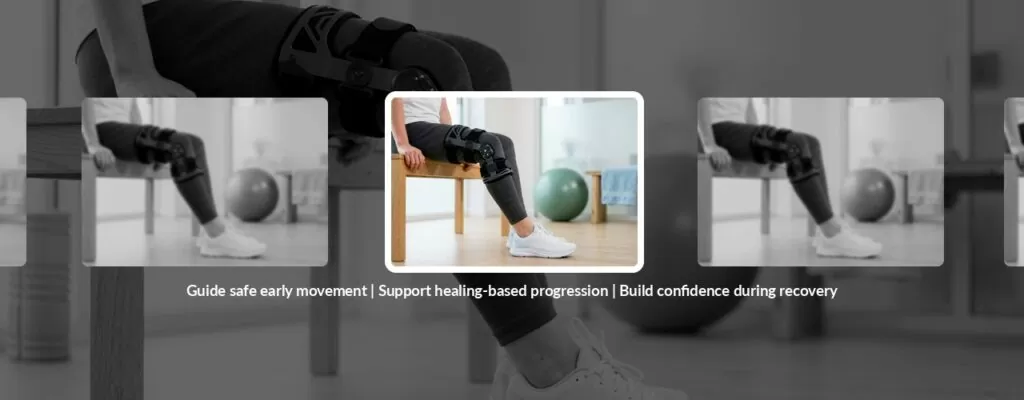
Timing matters after surgery. Starting rehabilitation at the right stage can protect healing tissues while helping you regain safe movement. If you are wondering when to start physical therapy after surgery, the answer depends on your procedure, healing, and your surgeon’s guidance.
Knowing when to start physical therapy after surgery can shape how smoothly recovery moves forward. helps you find the right starting point. Book your evaluation today.
Common Questions About Starting Physical Therapy After Surgery
1.
Read full blogJoint Mobilization vs. Manipulation: What Is the Difference?
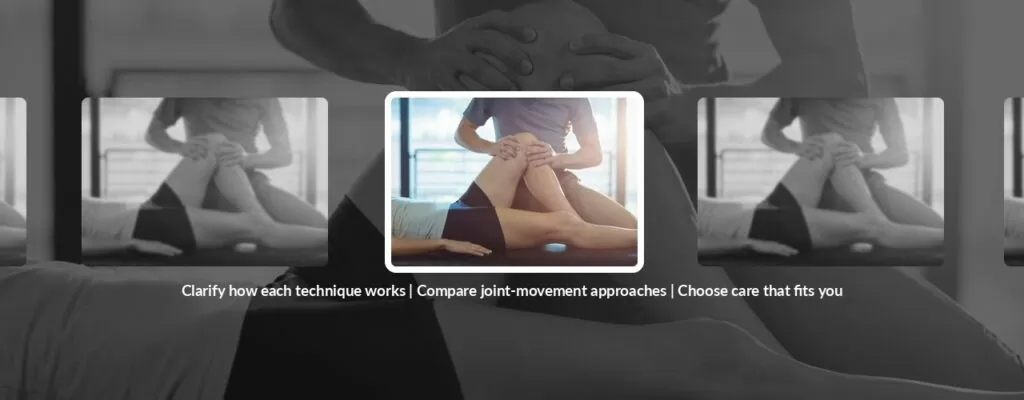
Joint mobilization and manipulation are hands-on techniques used to improve how a joint moves. They may sound similar, but they are performed in different ways. Understanding the joint mobilization vs manipulation difference can help you know what to expect from manual therapy and ask informed questions about your care.
Understanding Joint Mobilization
Joint mobilization uses gentle, controlled movements applied to a joint by a physical therapist. The therapist may move the joint back and forth within a comfortable range.
Read full blogFall Prevention Strategies: Safeguarding Against Balance-Related Injuries
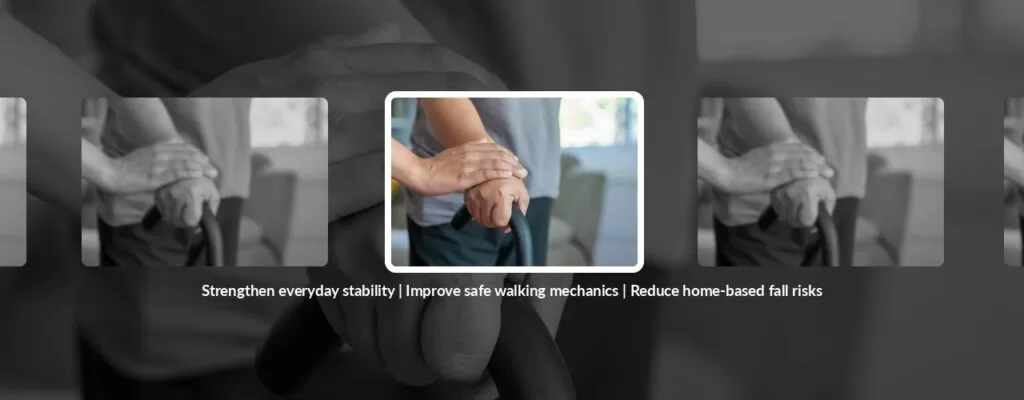
A loss of balance can make everyday activities feel less secure. The right fall prevention strategies can help you move with more control, protect your independence, and feel more confident during your daily routine.
Why Balance-Related Injuries Deserve More Than General Safety Advice
Falls are rarely caused by one issue alone. Leg weakness, joint stiffness, slower reactions, changes in walking, and reduced balance awareness can all play a role.
This list is for adults who want practical steps they can use in daily life.
Read full blogHow Physical Therapy Speeds Up Recovery After Surgery
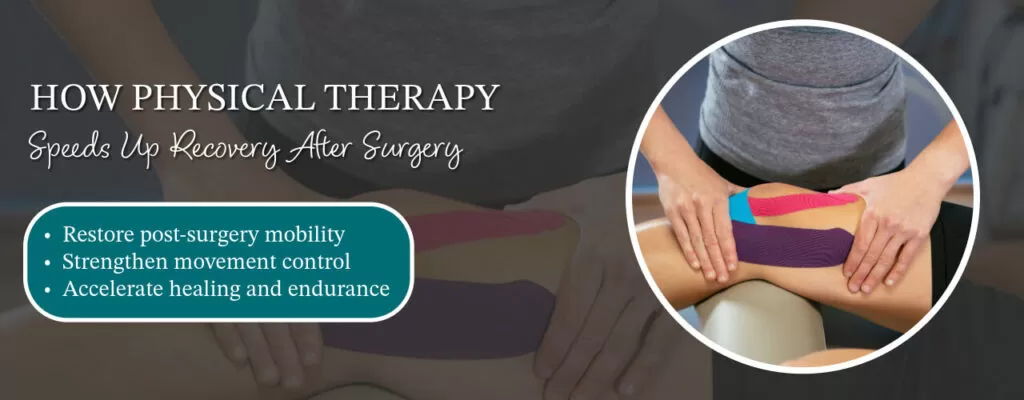
Jessica (not her real name) had always been active—until knee surgery slowed her down. Like many people, she expected rest alone would be enough to help her heal. But when the stiffness set in and everyday tasks became frustrating, she realized she needed more support. That’s when she turned to physical therapy after surgery at .
Physical therapy plays a key role in helping patients recover mobility, reduce pain, and return to daily life after an operation.
Read full blogOsteoarthritis Treatment: How Physical Therapy Can Help
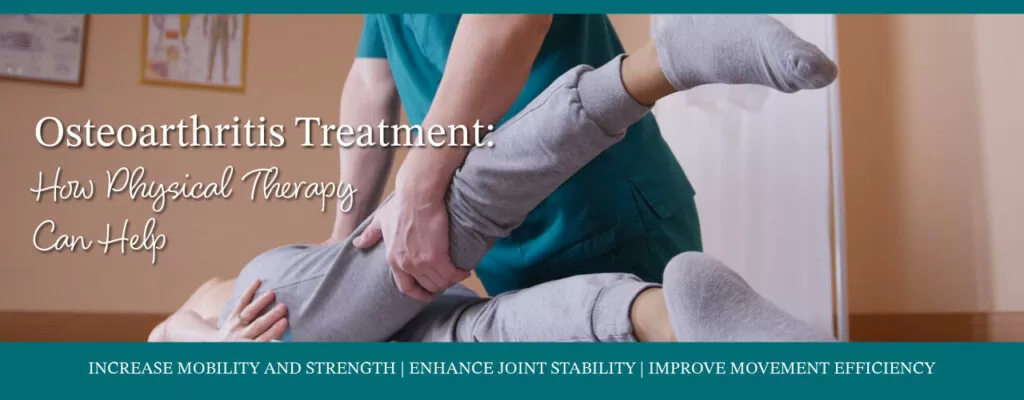
Osteoarthritis is one of the most common causes of joint pain and stiffness, particularly in the knees, hips, hands, and spine. As the protective cartilage between bones wears down over time, it can lead to inflammation, reduced mobility, and difficulty with everyday activities. While there is no cure for osteoarthritis, physical therapy plays a vital role in osteoarthritis treatment—helping patients improve movement, reduce discomfort, and stay active safely.
At , our physical therapists use evidence-based techniques to support patients living with arthritis.
Read full blogChronic Dizziness: Causes, Treatment, and Management Tips

Everyone feels dizzy now and then. But if it becomes a regular part of your day, it can interfere with your ability to work, drive, and enjoy life. Chronic dizziness can stem from a wide range of causes, but with the right care and strategies from the team at , you can manage it successfully.
Understanding the Difference: Dizziness vs. Vertigo
Before we dive into how our physical therapists address dizziness, we need to clear up a common misconception: dizziness is not the same as vertigo.
Read full blogRelieve Back Pain with Manual Therapy Techniques
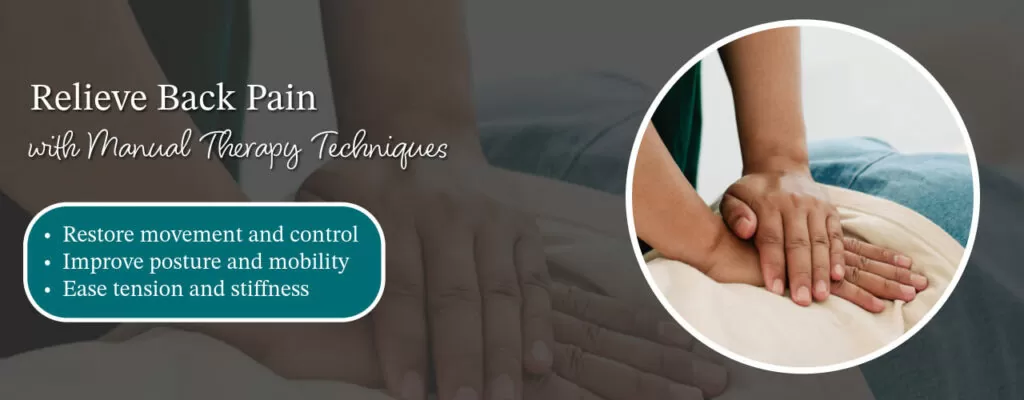
Back pain is one of the most common reasons people seek physical therapy, affecting millions of adults across the U.S. every year. Whether it stems from poor posture, muscle strain, spinal joint stiffness, or prolonged inactivity, the discomfort can interfere with everything from work to sleep. Many people try rest, heat, or over-the-counter medication with only limited relief. That’s where manual therapy for back pain comes in—offering targeted, evidence-informed treatments that address not just symptoms, but the root causes of discomfort.
Read full blogKnee Surgery Rehab: Why Physical Therapy Is Essential

Recovering from knee surgery involves more than just rest. It requires structured movement, expert guidance, and a personalized plan. Knee surgery rehab plays a central role in helping patients regain strength, mobility, and function while minimizing long-term limitations. Whether you’re recovering from a total knee replacement, ACL repair, or meniscus surgery, a tailored rehabilitation plan led by a physical therapist is key to restoring your quality of life.
Surgery Repairs the Joint.
Read full blogHow Physical Therapy Can Help TMJ Pain and Jaw Dysfunction
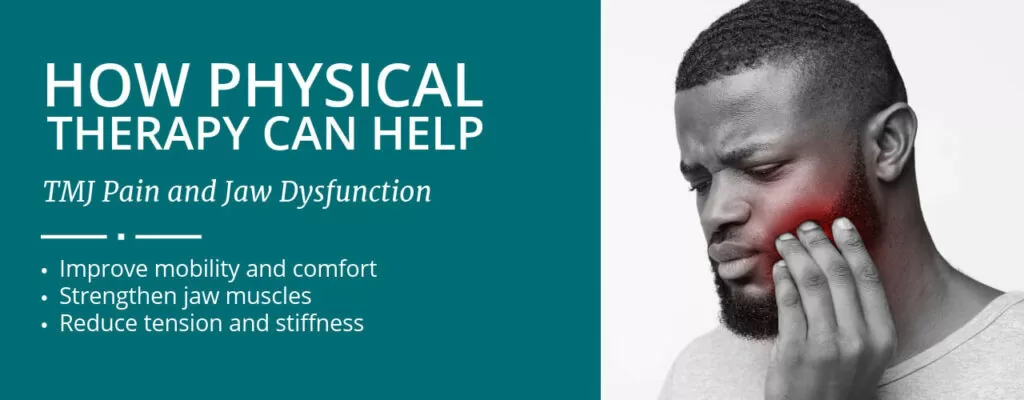
If you’re struggling with jaw pain, clicking sounds when you chew, or facial stiffness, you might be dealing with an issue in your temporomandibular joint (TMJ). Fortunately, TMJ physical therapy offers a highly effective, non-invasive way to address these symptoms and help you feel better.
At , we understand how much jaw discomfort can affect your daily life. That’s why we’ll work closely with you to develop a personalized treatment program to help you find relief.
Read full blog