
Get Rid Of Your Foot Pain For An Active And Fun Spring!
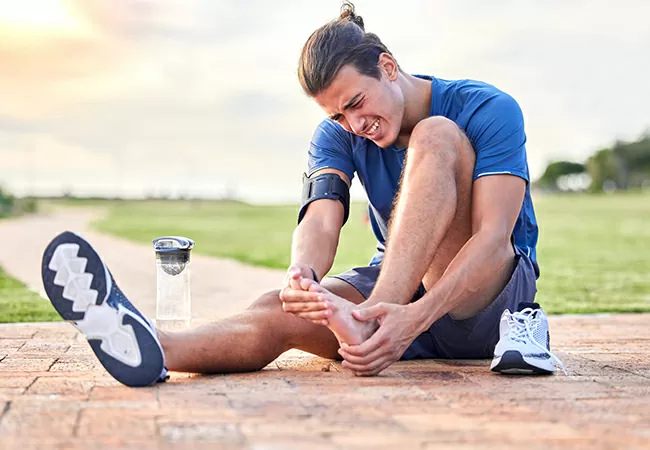
Have you ever experienced that sharp, stabbing pain in your foot that makes every step feel like a challenge? Or perhaps a dull, persistent ache that just won’t go away? Foot pain is a common complaint that can significantly impact your quality of life by limiting your ability to work, exercise, and even enjoy simple activities like walking or standing. Physical therapy offers effective, non-invasive solutions to alleviate foot pain, improve function, and get you back on your feet this spring.
Common Causes of Foot Pain
Understanding the root cause of your foot pain is an important part of finding effective treatment. Let’s explore five of the most common foot pain conditions.
Plantar Fasciitis
This condition involves degeneration of the plantar fascia, a thick band of tissue that runs along the bottom of your foot. It often causes heel pain, particularly in the morning or after periods of rest. Risk factors include obesity, high-arched feet, and activities that put excessive stress on the feet.
Metatarsalgia
This refers to pain in the ball of your foot, often caused by overuse, high-impact activities, or wearing ill-fitting shoes. Symptoms may include sharp or burning pain, numbness, or tingling in the toes.
Achilles Tendinitis
This condition involves inflammation of the Achilles tendon, which connects the calf muscles to the heel bone. It often causes pain and stiffness in the back of the ankle, especially during or after activity.
Foot Sprains
These injuries occur when the ligaments that support your foot joints are stretched or torn, typically due to a sudden twisting or rolling motion. Symptoms may include pain, swelling, bruising, and instability.
Arthritis
This degenerative joint disease can affect any joint in your foot, causing pain, stiffness, and limited range of motion. Risk factors include age, previous injuries, and family history.
Running To Foot Pain Relief
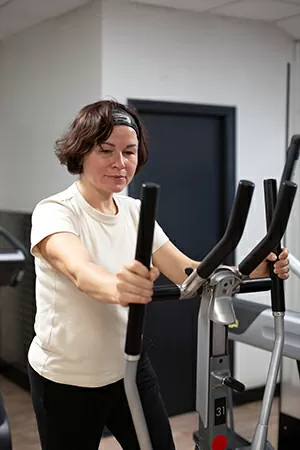
A woman in her 40s came to our clinic complaining of persistent heel pain that had been bothering her for several months. The pain was particularly intense in the morning, making it difficult for her to even get out of bed. After a thorough evaluation, our physical therapist diagnosed her with plantar fasciitis.
Her active lifestyle and love for running had put excessive stress on her feet, leading to plantar fasciitis. The pain had significantly impacted her life, forcing her to give up running and other activities she enjoyed.
We created a treatment plan that included a combination of pain management techniques, strengthening exercises, and a gradual return to activity.
Pain Management
Initially, we focused on reducing her pain and restoring mobility in the foot and calf through manual therapy techniques, proper recovery routines, and mobility exercises.
Strengthening Exercises
As her pain subsided, we introduced exercises to strengthen the muscles in her feet and calves for proper support and to reduce stress on the plantar fascia.
Return to Activity
We gradually reintroduced her running routine, starting with shorter distances and lower intensity. We also educated her on proper footwear, warm-up and cool-down routines, and injury prevention strategies.
Over the course of several weeks, she experienced significant improvement in her pain and function. Best of all, she was able to resume her running routine and other activities she enjoyed with minimal discomfort.
Find Foot Pain Relief At IMG Physical Therapy
If you are struggling with foot pain, don’t let it hold you back any longer. Our experienced physical therapists will conduct a thorough evaluation to identify the root cause of your pain and develop a personalized treatment plan to address your specific needs and goals.
Call our clinic today to schedule an appointment and take the first step toward recovery.
Hello All,
I hope everyone is having a great start to the spring. My wife and I are busy carting our girls around to their spring activities including softball and soccer. Such a great time of year with the weather starting to turn warmer and being able to get outside more, not to mention the days getting longer.
Speaking of the weather getting warmer, as the Fahrenheit rises people tend to switch from warmer more supportive shoes to sandals or flip flops. While these are very stylish (unless you wear them with socks) they often don’t provide much arch support which can leave you with pain in your foot. If the pain is near the heel of your foot you might be dealing with plantar fasciitis.
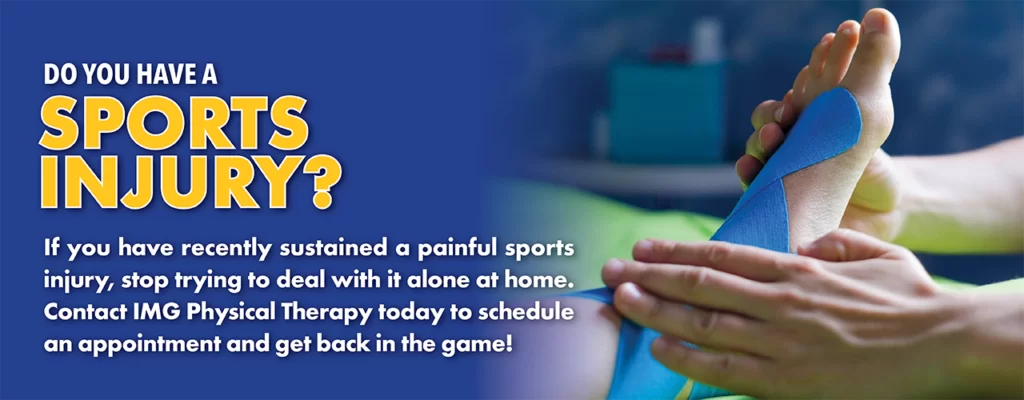
Don’t let foot pain derail you in the spring and limit your summer fun. IMG can help relieve foot pain including plantar fasciitis. By using a customized treatment plan including foot stretches, intrinsic foot strengthening exercises, getting you the proper foot wear/orthotics, as well as IASTM (Instrument Assisted Soft Tissue Mobilization), and Cold Laser, we can relieve your foot pain and get you back to the activities you love.
Give us a call today to get your feet feeling better.
Patient Spotlight

”When I started with IMG-PT, I had been experiencing severe plantar fasciitis for over a year. I had seen foot specialists and tried various inserts & shoes to relieve symptoms. NO LUCK! I spoke with Chris and he established a program to rehabilitate the injured area and strengthen the surrounding area. It took about 10 sessions but I was getting results and moving in the right direction. I am now at about 90% level and will continue with the exercises recommended by IMG-PT to do at home. I highly recommend IMG-PT and the entire staff who were professional and very attentive during my treatment.”
—David G.

Help Us Help Others
Your review not only helps us, it helps others in the community. Your review might just be the one that convinces someone to seek the help they need. Be the spark that changes someone’s life — leave us a review today.

Foot Pain Prevention
Tips for Staying Active and Injury-Free This Spring
Spring is a time of renewal and rejuvenation, beckoning us outdoors to enjoy the warmer weather and blossoming nature. But for those prone to foot pain, the increased activity can also bring the risk of discomfort and injury. Fear not! With a few proactive measures, you can keep your feet happy and healthy while embracing all that spring has to offer.
Warm-up
- Never underestimate the power of a good warm-up. Before engaging in any physical activity, dedicate a few minutes to proper warm-up exercises that target your feet, ankles, and calves. This will improve blood flow and prepare your muscles and joints for the demands ahead.
Choose the Right Footwear
- Your shoes are your feet’s first line of defense against impact and strain. Invest in supportive, well-fitting footwear that matches your activity and foot type. Whether you’re hitting the trails, pounding the pavement, or simply strolling through the park, the right shoes can make all the difference in preventing pain and injury.
Listen to Your Body
- Pay attention to any signs of discomfort or fatigue in your feet. If you experience pain during or after an activity, don’t ignore it. Pushing through pain can exacerbate existing injuries or lead to new ones.
Modify Activities
- Don’t be afraid to adjust your activities based on your fitness level and any existing foot conditions. If you’re new to exercise, start slowly and gradually increase your intensity and duration.
Strengthen Your Feet
- Strong feet are less prone to injury. Incorporate foot-strengthening exercises into your routine to improve your foot mechanics, enhance stability, and reduce the risk of pain.
By following these simple tips, you can protect your feet, prevent injuries, and enjoy the spring season. If you experience persistent foot pain or have concerns about your foot health, contact us today for a personalized evaluation and PT program to reduce your pain and get you back on your feet.




Exercise of the Month
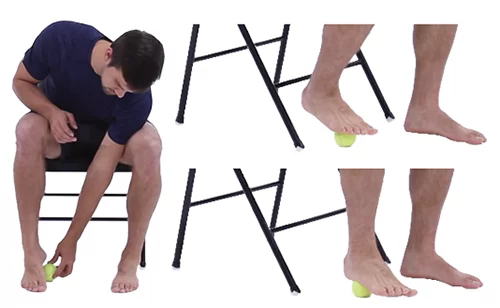
Foot Mobilization (Tennis Ball)
Start by sitting upright in a chair. Place a tennis ball under the foot you want to work just in front of your heel. Slowly roll your foot back so the tennis ball rolls up towards your toes and then roll your foot forwards so the ball goes back towards your heel. Make sure to keep pressure on your foot with the ball throughout the movement. Repeat 1 set, 2 reps.

Meet Our Team


Let’s Get You Better ASAP!
Don’t let pain dictate your life. Take the first step towards reclaiming your mobility and well-being with our expert support. Start your journey to a healthier you today.